

SprintBoard? Rocker Plate? What is it?
Why is the SprintBoard — aka the “rocker plate” — the trending topic in indoor cycling? What’s it good for?
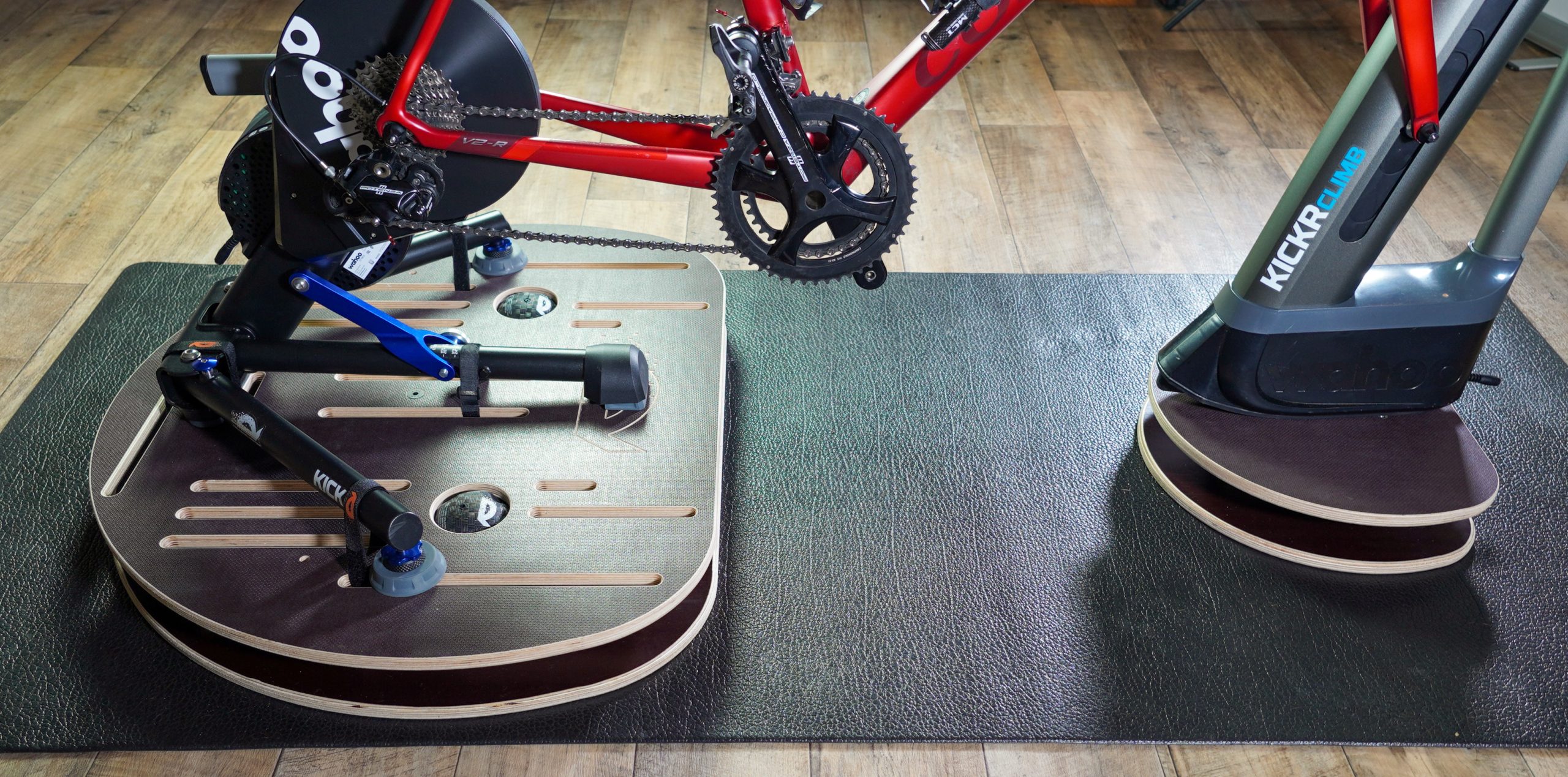
During indoor training on a smart trainer or roller, your bike is rigid and fixed directly to the trainer and the floor. After a somewhat longer ride, your body will miss the flexibility and comfort it’s used to from the road. Most (experienced) indoor riders start developing some level of discomfort after just 20-30 minutes. The SprintBoard — set up between floor and road bike including trainer — dampens the rider’s skeletal load, sit bones, and soft tissue simply by virtue of its design with 5 elastic rubber vibration isolators along the center axis. That alone makes riding feel much more pleasant and natural. The second and essential advantage of the SprintBoard is lateral freedom of movement on your smart trainer, which now allows tilting motion left and right — enabling out-of-the-saddle riding. The two air balls between the plates not only provide efficient damping but also a harmonious, smooth swinging motion. Important note here: the less pressure in the balls, the more closely the out-of-the-saddle motion can be executed the way it is in real life. See this video documentation for reference. Finally you can really get out of the saddle on your indoor trainer and launch into a sprint. It’s not exactly like free riding on the road, of course, but nothing gets closer. And because you now feel like getting out of the saddle more often, you’ll relieve your back and glutes more. Beyond that, the freedom of motion engages your core again. Without movement, your hip muscles have hardly anything to stabilize and practically “atrophy.”
Last but not least, there’s the physical effect and the forces a rigid smart trainer exerts on your road bike. Because your road bike is connected to the smart trainer as an almost fixed unit, powerful movements have a negative impact on the frame. Carbon frames in particular need care, which is why some indoor trainer manufacturers explicitly warn about the risks. Using a SprintBoard reduces the pressure and forces acting on the frame of your valuable road bike.
The SprintBoard is compatible with all indoor trainers currently on the market. It’s less a matter of technology and more a question of whether there’s enough room on the SprintBoard for your trainer and whether you can secure it on top.
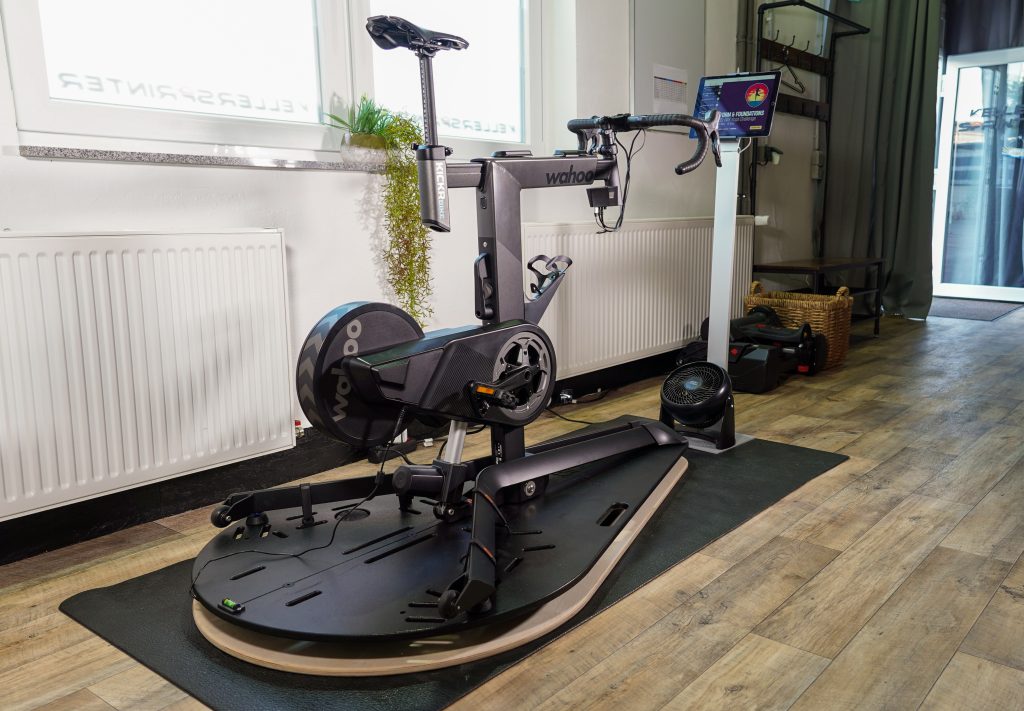
The SprintBoard S offers enough room for the smart trainer while taking up less footprint than a larger version. The SprintBoard S feels more dynamic than the larger boards, which especially shows during sprints. Since we’re consistently chasing the best setup, we’re also ruthless when cleaning up our portfolio. That’s why the SprintBoard XL — which we’d been using since 2017 — had to go, making room exclusively for the SprintBoard S.
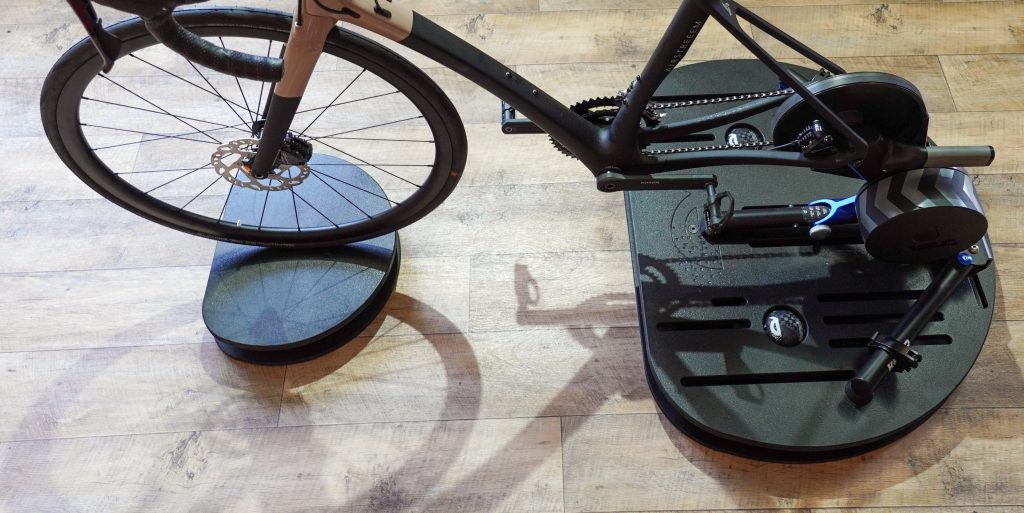
Ingo Quendler of enjoyyourbike documented a build video and a short ride based on version 1.0. It still looks quite wobbly, but with properly adjusted ball pressure and the new balls, things should look much better in his next planned video.
Eric Schlange — publisher of ZwiftInsider.com — has more interesting info on the topic. In particular, how lower ball pressure actually lets you ride out of the saddle like you would outdoors.